


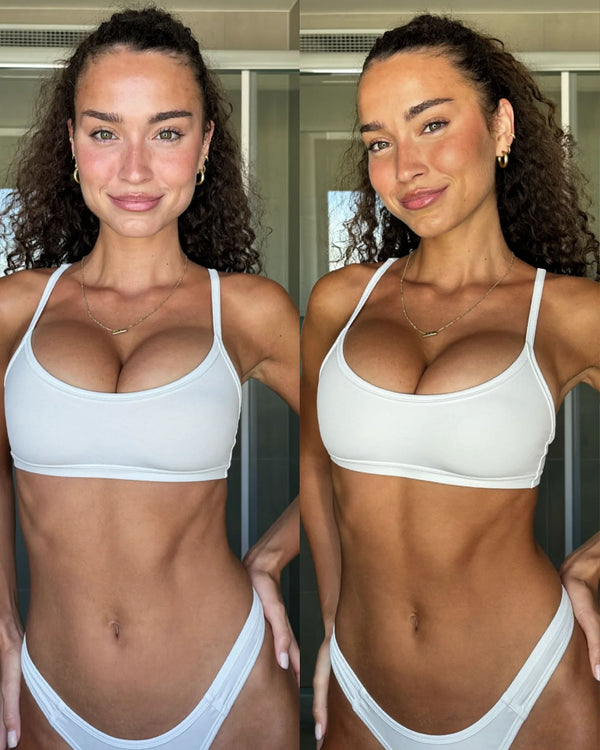


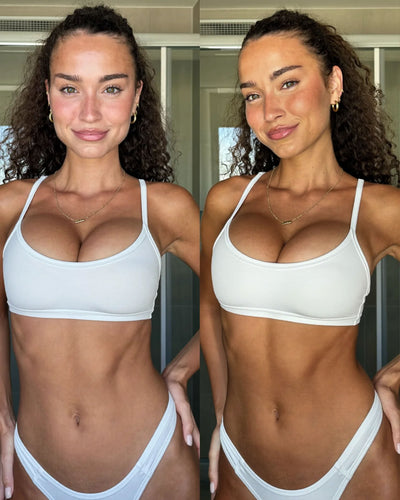


Spray Tanning 101: A Beginner’s Guide to Natural Results

Short answer: A spray tan is a sunless tanning method using DHA to create temporary bronze color with no UV exposure, typically developing over 8 to 12 hours and lasting 5 to 7 days. It costs $25 to $50 per session at a salon versus about $4 per application with self tanner at home. Both work well, the right choice depends on whether you want a quick, dramatic result for a single event or a gradual, buildable tan you control yourself.
Table of Contents
- Ten Years, Thousands of Tans
- What Is a Spray Tan?
- How to Prep for a Spray Tan
- What to Wear to a Spray Tan
- What to Expect During a Spray Tan
- Spray Tan Shades and Color Options
- How Long Does a Spray Tan Take to Develop
- How Long Does a Spray Tan Last
- The Mistake I Corrected Constantly
- What Happens When You Do It Right
- Can You Get a Spray Tan When Pregnant?
- How Much Does a Spray Tan Cost
- How to Remove a Spray Tan
- Spray Tan vs. Self Tanner: My Honest Recommendation
- FAQs
- The Bottom Line
Ten Years, Thousands of Tans
I've been spray tanning clients for over 10 years. For most of that time, I've tanned 40 to 50 people every single week, which adds up to thousands of tans applied over the years. I've guided people through every part of the process, pre-tan prep, the appointment itself, and the post-tan care that actually determines how the color holds up. I've also gone on to develop my own self-tanning formula, so I've spent years living on both sides of this question, behind the spray gun professionally and behind the R&D table building a product from scratch.
This guide covers everything you need to know about spray tanning, but it also comes with the pattern recognition that only shows up after doing something thousands of times. That's the part most guides on this topic are missing.
What Is a Spray Tan?
A spray tan is a sunless tanning method where a specialized tanning solution is applied to the skin, giving you a temporary bronze color. It's a safe, convenient way to get a real glow without any UV exposure. The active ingredient in most spray tans is DHA (dihydroxyacetone), which reacts with amino acids in the outer layer of your skin to create that tanned appearance.

How to Prep for a Spray Tan
Proper prep is the single biggest factor in how a spray tan actually turns out, more on exactly why in a bit. For the full step-by-step breakdown, see our How to Prep for a Spray Tan guide. The essentials:
- Exfoliate and moisturize. Gently exfoliate to remove dead skin cells, focusing on elbows and knees. Apply a light, oil-free moisturizer to keep skin hydrated for even development.
- Shave or wax at least 24 hours ahead. This gives your skin time to recover before the solution goes on.
- Skip makeup and perfume. Arrive with clean, bare skin. Foundation, lotion, and perfume can all prevent the solution from adhering evenly.
- Remove jewelry. Take it all off to avoid tan lines and get full coverage.
- Plan for drying time. Give yourself several hours after your session for the solution to fully dry and develop.
What to Wear to a Spray Tan
Choose loose-fitting, dark-colored clothing for your appointment. Tight clothing rubs against skin and causes uneven development. Loose dresses, maxi skirts, or relaxed pants and tops all work well. For more outfit tips, see What to Wear to a Spray Tan Appointment.
What to Expect During a Spray Tan
- Professional consultation. A technician assesses your skin type and talks through your tanning goals to help you choose the right shade.
- Application. The solution is applied with a handheld spray gun or an automated system, and you'll be guided through positions to make sure you get full coverage.
- Drying time. You'll spend a few minutes in a drying area letting the solution set before you get dressed.

Spray Tan Shades and Color Options
Spray tans come in a range of shades to suit different skin tones, and most salons have a shades chart to help you choose.
Light
A subtle, natural glow. Perfect for first-timers or pale complexions who want a barely-there result.
Medium
The most popular option. A natural, sun-kissed look that suits a wide range of complexions.
Dark
A deep, bronzed appearance. Best for naturally darker skin or anyone wanting a more dramatic effect.
How Long Does a Spray Tan Take to Develop
Spray tans typically take 8 to 12 hours to fully develop. Avoid water and excessive sweating during that window for the best result. Your tan will keep darkening over the first 24 hours, so don't panic if it looks lighter right after your appointment. For quick-develop versus traditional timing, see our Spray Tan Development Time guide.
How Long Does a Spray Tan Last
With proper care, a spray tan typically lasts 5 to 7 days. To extend it:
- Moisturize regularly to keep skin hydrated and prevent flaking.
- Avoid harsh exfoliants that strip tanned skin cells.
- Pat skin dry after showering, don't rub.
- Avoid long, hot showers or baths, since prolonged water exposure speeds up fading.
The Mistake I Corrected Constantly
After ten years and thousands of tans, two things came up over and over. The first was skin prep. People just wouldn't exfoliate enough beforehand, which meant they weren't giving the tan a fresh, clean canvas to actually adhere to. The second was water. Clients would get into a pool or the ocean, doing chlorine-heavy activities, within 24 hours of their appointment, before the tan had actually had time to set into that first layer of skin.
The result of both of those mistakes together was a spray tan that faded unevenly instead of gradually, and didn't come off the way it should have. Most people just don't read the pre- and post-tan instructions, and that single habit is one of the biggest factors in how long a spray tan actually lasts and how evenly it fades.
What Happens When You Do It Right
I've had multiple clients who did the opposite. They followed the prep instructions exactly, exfoliating that outer layer of skin off to create a real, fresh canvas, and then went to the beach and got in the ocean every single day of their trip. Their tans still lasted, and faded beautifully, because the color had actually adhered to that first layer of skin the way it's supposed to. Prep is what determines whether water is a problem or a non-issue.
Can You Get a Spray Tan When Pregnant?
Spray tanning is generally considered safe during pregnancy, since the active ingredients don't penetrate beyond the outer layer of skin. Always talk to your healthcare provider first, especially if you have specific health concerns. For a much deeper look at this, including what I've personally learned tanning dozens of pregnant clients over the years, read our full breakdown on self tanner safety.

How Much Does a Spray Tan Cost
A professional spray tan typically runs $25 to $50 per session depending on location and salon quality. Many salons offer package deals or memberships to bring the per-session cost down, but if you're tanning regularly, it adds up fast, which is a big part of why at-home self-tanning has become so popular.
At around $4 per full-body application, our self-tanning mousse delivers the same streak-free, natural bronze at a fraction of salon prices, with no appointment needed.
How to Remove a Spray Tan
How to Remove Spray Tan Fast
- Exfoliate. Use a gentle scrub or exfoliating mitt in circular motions to lift color evenly.
- Soak. A warm bath with baking soda or lemon juice for at least 30 minutes helps break down the tan.
- Use a tan remover. Products formulated specifically to break down DHA remove color without harsh scrubbing.
How to Remove Fake Tan from Your Face
- Oil cleansing. Massage coconut or olive oil into skin and rinse with warm water to break down the tan.
- Lemon juice. Apply fresh lemon juice to gradually lighten color.
- Facial exfoliant. A gentle scrub works, just don't overdo it.
How to Remove Fake Tan from Hands
- Whitening toothpaste. The mild abrasives help lift tan, massage in and rinse thoroughly.
- Baby oil. Soak hands in it to loosen stubborn patches.
- Baking soda paste. Mixed with water for a gentle, natural exfoliating paste.
Spray Tan vs. Self Tanner: My Honest Recommendation
Both spray tan and self tanner use DHA to create color without UV exposure, but after doing both professionally, I don't think the choice is really about cost or convenience. It comes down to DHA concentration and what you're actually planning to do with your tan.
A spray tan is essentially a stronger, more concentrated application, closer to spray paint in how it sits on the skin. That's great for a fast, dramatic result, but it also means it fades less evenly, especially with pool or ocean exposure, which tends to come off splotchy rather than gradually.
Self tanner gives you something a spray tan can't: control. You can build color gradually, reapply whenever you want, and it fades much more smoothly than a spray tan does, especially if you're spending real time in chlorine or salt water. If I'm heading on vacation or prepping for something where I'll be in and out of the water for days, I always reach for self tanner over a spray tan. If it's a quick one- to two-day event where I want maximum depth of color and don't need to manage the fade afterward, that's when spray tan makes more sense.
My actual rule of thumb: if you want to guide your tan, build on it, and have it fade naturally, go with self tanner. If you want the darkest possible result for a short one- to two-day window and don't need it to hold up in the water, spray tan is the better call.
Curious how self tanner actually holds up in the pool specifically? See will self tanner come out in the pool. And if you're building color gradually over multiple applications, our guide on how often you should self tan walks through the right rhythm.
Many people also ask whether you can tan outdoors in indirect light. See Can You Get Tan in the Shade?
FAQs
How long does a spray tan take to develop?
Typically 8 to 12 hours, and it keeps darkening over the first 24 hours, so don't judge the final color right after your appointment.
How long does a spray tan actually last?
About 5 to 7 days with proper care, moisturizing daily, avoiding harsh exfoliants, and skipping long hot showers.
Is it safe to get a spray tan while pregnant?
Generally yes, since the active ingredients don't penetrate beyond the outer layer of skin, but always check with your healthcare provider first.
How much does a spray tan cost compared to self tanner?
A salon spray tan runs $25 to $50 per session. Self tanner at home costs about $4 per full-body application.
What's the single biggest mistake people make with spray tans?
Not exfoliating enough beforehand, combined with getting in water too soon afterward, before the tan has had time to set into the skin.
Should I get a spray tan or use self tanner?
Spray tan for a quick, dramatic result before a short one- to two-day event. Self tanner if you want a gradual, buildable tan that fades evenly, especially with real water exposure like a vacation.
The Bottom Line
Spray tanning offers a safe, effective way to get a sun-kissed glow without UV exposure, and after ten years and thousands of clients, I can tell you the results almost always come down to two things: how well you prep beforehand, and how closely you follow the aftercare instructions. That's true whether you choose a salon session or self tanner at home.
If you want control, a gradual build, and a tan that fades naturally even with real water exposure, self tanner is the better tool. If you have a short event and want maximum depth without worrying about the fade, spray tan gets you there faster. Either way, the same fundamentals apply, and the same confidence follows. Planning around a big event? See our Tan for Wedding guide.
Ready to see what a formula built around all of this actually feels like? Shop the full MAKAI self tanner collection and find the format that fits your skin and your routine.


