






Self Tanner Myths Debunked: What's Actually True

Short answer: No, self tanner doesn't have to turn orange, doesn't get darker the longer you leave it on, and doesn't mean giving up your workouts. Most of what people believe about self tanning comes from outdated formulas and bad prep, not the process itself. With the right shade, proper skin prep, and a quality formula, self tanning is simpler and more forgiving than the myths suggest.
If you've ever searched for self tanning advice online, you've probably come away feeling like it's complicated, messy, and easy to get wrong. Between influencers sharing lengthy routines and horror stories about orange skin and streaks, it's easy to believe a natural-looking tan takes a lot of work. After years of working with self tanners, testing formulas, and helping customers get natural-looking results, I've found that most of the "rules" people believe about self tanning simply aren't true.
Table of Contents
- Myth: Leaving Self Tanner on Longer Makes You Darker
- Myth: Self Tanner Has to Be Orange
- Myth: Self Tanning Is Complicated
- Myth: You Can't Work Out If You Self Tan
- The Most Overlooked Step: Proper Skin Preparation
- Myth: Darker Is Always Better
- FAQs
- The Bottom Line
Myth: Leaving Self Tanner on Longer Makes You Darker
This is probably one of the biggest misconceptions out there. Many people believe that leaving their self tanner on for 24 or even 48 hours will make them significantly darker than rinsing it off after the recommended time. It won't.
Most self tanners develop within about 6 to 8 hours. According to the U.S. Food and Drug Administration, once DHA has fully reacted with the outer layer of skin, the color reaction is complete. Leaving product on for another 12 or 24 hours doesn't continue building color, it's just extra time spent waiting on a result that's already there.
Instead, follow the recommended development time for your formula, rinse it off, and enjoy your finished color. For a full breakdown of how long results actually last once you've rinsed, see our guide on how long does self tanner last.
Myth: Self Tanner Has to Be Orange
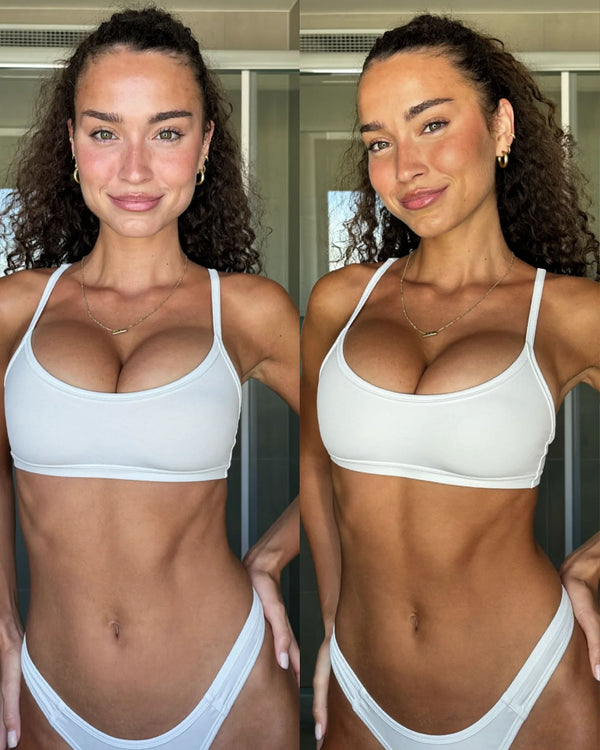
This is one of the reasons many people avoid self tanner altogether. The truth is, a quality self tanner shouldn't leave you looking orange. Orange results usually come from one or more of these factors:
- Choosing a shade too dark for your natural skin tone
- Applying too much product
- Poor skin preparation
- Older or lower quality formulas
When you prepare your skin properly and choose a shade appropriate for your complexion, your tan should look like you've spent a few days in the sun, not like you're wearing self tanner. Hands and feet are especially prone to turning orange since they absorb product differently than the rest of your body — see our guide on how to prevent orange hands and feet from self tanner for area-specific technique.
Myth: Self Tanning Is Complicated
This is actually something I disagree with when I see beauty influencers online, unintentionally making self tanning seem like a high-maintenance routine with dozens of rules. In reality, a successful self tan comes down to four simple steps:
- Prep your skin
- Apply the self tanner evenly
- Leave it on for the recommended development time
- Rinse it off
That's it. People often overcomplicate the process because they've been told there are dozens of things they have to do. Using a quality formula and following the basics will usually give you excellent results. For the complete step-by-step walkthrough, see How to Self Tan: The Ultimate Guide.
Here's the mousse application walkthrough I reference throughout my guides, if you want to see just how simple the actual process is:
Myth: You Can't Work Out If You Self Tan
I hear this a lot too. Some people avoid self tanner because they're active, assuming they'll sweat the tan off or that exercise will make it streak. While you should avoid heavy sweating during the initial development window, that doesn't mean your fitness routine has to stop once your tan has developed.
One of my favorite examples is actually my sister. She's incredibly active and lives a very low-maintenance lifestyle, never much into makeup or complicated beauty routines. For years she avoided self tanner because she assumed it would look fake, streak during workouts, or need too much upkeep. I encouraged her to prep her skin properly, choose a shade that matched her natural complexion, and just follow the basic post-tan instructions. Now she self tans every week, works out regularly without worrying about streaks, and loves how a healthy glow makes her muscles look more defined.
With a well-formulated tanner, you can apply, let it develop, and go straight into your workout without streaking or transfer. I walk through exactly how this works, including a real test in fitted light-colored activewear, in the FAQ section of our full application guide.
The Most Overlooked Step: Proper Skin Preparation
If there's one thing I've learned through years of self tanning, both personally and professionally, it's that preparation makes a huge difference. A clean, properly exfoliated, fully dry surface is what allows DHA to develop evenly.
- Best case, exfoliate about 24 hours before you plan to tan. In a perfect world, that's the sweet spot.
- Realistically, life happens. At minimum, give it at least 4 hours, or enough time for your pores to fully close, and you'll still get a great result.
- Avoid lotion and deodorant immediately before application, since they can create a barrier
- Make sure your skin is completely dry before the tanner goes on
This helps create a clean surface for even development and helps reduce the darker spots that can sometimes appear around hair follicles right after shaving. Prep matters no matter which texture you reach for, and if you're not sure whether mousse, lotion, or cream fits your skin best, our breakdown of mousse vs. lotion vs. cream walks through exactly which to choose.
Myth: Darker Is Always Better
Many people assume the darkest shade automatically gives them the best tan. That's rarely true. The most natural-looking tan usually comes from choosing the shade that best complements your existing skin tone. A lighter or medium shade often produces a far more believable result than jumping straight to an ultra-dark formula.
A great tan shouldn't make people think you're wearing self tanner. It should make people think you look healthy, refreshed, and naturally sun-kissed. Not sure which shade fits you? Browse the full self tanner collection to compare shades side by side.
FAQs
Does a darker self tanner last longer than a lighter one?
No. How long your tan lasts comes down to your skin's natural exfoliation cycle, hydration, and aftercare, not how dark the shade is.
How can I tell if a self tanner is likely to turn orange before I buy it?
Check the shade range and formula notes. A tanner built around a natural bronze base, rather than maximizing DHA percentage, is far less likely to develop an orange cast. Reviews mentioning "natural" or "not orange" are a good signal too.
Do I need to exfoliate every single time I self tan?
Not necessarily. If you're building color over a few days rather than starting completely fresh, you can typically skip exfoliating between touch-ups. For a first application or a full reset, exfoliating first makes a real difference.
Is self tanning really that different from applying lotion?
Application-wise, not much. The biggest difference is that self tanner reacts with your skin over several hours, so avoiding water and tight clothing during that window matters more than it does with a regular lotion.
The Bottom Line
Most self tanning myths trace back to outdated products, poor application technique, or misinformation that's been repeated for years. With the right prep, the right shade, and a quality formula, a natural-looking glow is easier to get than most people think. Don't let old myths keep you from trying it. Keep it simple, trust the process, and you'll likely find that maintaining a healthy-looking tan is much easier than you expected.


