


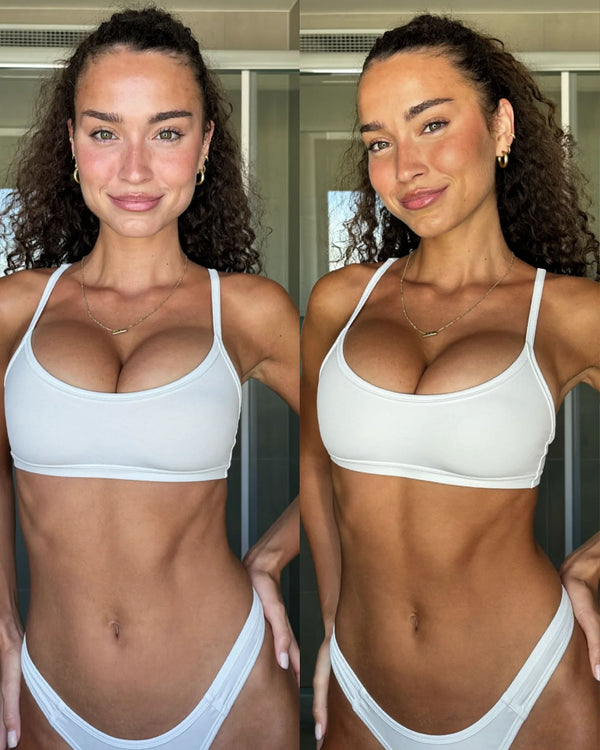


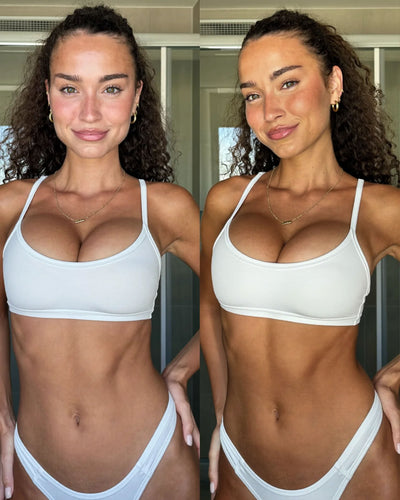


Does Self Tanner Cover Scars

Short answer: Self tanner can help blur some scars, but not all of them. It tends to work well on flat, lighter (hypopigmented) scars and textured atrophic scars like stretch marks. It works less predictably on raised scars, keloids, and darker (hyperpigmented) scars, which can absorb color unevenly or become more noticeable. Scar type, product, and application technique all matter.
Not all scars fade quietly. Whether they are from breakouts, stretch marks, or a run-in with life, you might be wondering if self tanner can help blur the story. The short answer is sometimes, and it depends on your skin, the scar, and how you apply. Here is what you need to know.
Table of Contents
- What Even Is a Scar?
- How Self Tanners Work
- Can Self Tanner Help Hide Scars?
- How to Apply Self Tanner on Scars
- Alternatives if Self Tanner Is Not Enough
- A Note on Hyperpigmented Scars
- Real Talk
- FAQs
- Sources
- Bottom Line
What Even Is a Scar?
A scar is your skin's version of a patch job after an injury. Depending on how deep or intense the damage was, scars can heal flat, raised, or sunken. There are four main types:
- Atrophic: Think acne pits or stretch marks, these sit below the surface of the skin.
- Hypertrophic and keloid: Raised and sometimes firm. Keloids extend beyond the original wound boundary.
- Hypopigmented: Lighter than your natural skin tone, often the most common type people want to blend.
- Hyperpigmented: Darker than your base tone. These need extra care with self tanner application.
How Self Tanners Work
Most self tanners rely on DHA (dihydroxyacetone), a sugar that reacts with the outer layer of your skin to create a temporary bronze effect. Scar tissue does not always behave exactly like the surrounding skin, so self tanner can sometimes absorb a little differently there, developing slightly darker, lighter, or more slowly depending on the type of scar.
Can Self Tanner Help Hide Scars?
Yes, but with a few asterisks. Results depend on scar type, product formula, and application technique.
Can help blur:
- Atrophic scars, textural and lighter, tanner helps blend them in
- Hypopigmented scars, mousse or lotion creates more uniform tone
May not tan well:
- Keloids and hypertrophic scars, may absorb unevenly or darken more
- Hyperpigmented scars, may become more noticeable under tanner
Our self tanning mousse goes on in thin, even layers so you can control exactly how much color you build over textured or scarred skin. Shop tanning mousse.
How to Apply Self Tanner on Scars
- Exfoliate gently. Focus on surrounding skin, not the scar itself.
- Moisturize dry spots. Helps slow absorption on scar tissue.
- Apply in light layers. Build slowly to avoid blotching.
- Use a mitt or brush. For better blending over textured skin.
- Try color-correcting tanners. Green or violet undertones help neutralize visibility.
Alternatives if Self Tanner Is Not Enough
- Body makeup: Transfer-resistant creams like Dermablend for full coverage over any scar type.
- Airbrush spray tan: Pro-level shading and custom blending can even out tone and texture.
- Camouflage tattoos: Permanent blending solution best suited for light, flat scars.
- Medical treatments: Microneedling, laser resurfacing, and silicone gels for more significant improvement.
A Note on Hyperpigmented Scars
We asked Lauren, a licensed esthetician who has been practicing since 2012 and co-owns The Skin Spa and Acne Clinic in St. George, Utah, about hyperpigmentation in general, since it is the scar type most likely to get more noticeable rather than less under self tanner. Her take: hyperpigmentation, whether it comes from sun exposure, melasma, or scarring, usually needs more than a vitamin C serum to actually treat it. She typically moves clients onto a stronger corrective serum built for their specific type of discoloration.
That means if a hyperpigmented scar is your main concern, self tanner is probably not your best first move. Treating the underlying discoloration with the right skincare, or talking to a professional about it, will likely do more than trying to blend it with color. If you want the fuller picture on hyperpigmentation and hydration, our post on does hyaluronic acid darken skin covers what Lauren told us about it in more depth.
Real Talk
"I have a long white scar on my shin. Most self tanners made it darker or orange-y, but MAKAI's mousse actually blended it pretty seamlessly after two coats." Chelsea R., Verified Buyer
"Stretch marks on my hips stand out way less with a good tan, especially if I layer with moisturizer first." Kayla M., Fitness Instructor
FAQs
Will self tanner make my scars worse?
No, but it may highlight them if not blended properly. Always patch test first and build in thin layers.
Can I tan over new scars?
Wait until the scar is fully healed and any redness or sensitivity has settled before applying any self tanner.
What is the best type of self tanner for scars?
Buildable mousse or gradual lotion with minimal alcohol, both allow you to layer slowly and control coverage.
Does self tanner work the same on hyperpigmented scars as other scars?
Not usually. Hyperpigmented scars are already darker than surrounding skin, so self tanner can make that contrast more noticeable rather than less.
Does self tanner cover stretch marks?
It can help blur them, especially older stretch marks that have faded lighter than the skin around them. Self tanner evens out the contrast between the stretch mark and the surrounding skin, so they tend to look softer. Newer stretch marks that are still red or purple may not blend as well. Apply a thin layer and buff it in well with a mitt so product doesn't settle into the texture.
Does a spray tan cover stretch marks?
A spray tan can soften the look of stretch marks the same way self tanner does, by evening out your overall skin tone. If you're booking a professional session, let your spray tan artist know which areas you want blended so they can adjust their technique.
Does tanning in the sun make scars more visible?
It can. Scar tissue often doesn't tan the same way as the skin around it, so a sun tan can make a lighter scar stand out more. Sun exposure can also make a scar darker (source: Cleveland Clinic), so it's best to keep them covered or protected with sunscreen while they heal. Self tanner is the safer way to even out your tone around scars, since it adds color without UV.
Sources
Bottom Line: Can It Cover?
Self tanner can help blur scars, but it depends on the scar type, product, and technique. Gradual tans, hydration, and patience are your best friends. Whether you want buildable mousse or a gradual lotion, MAKAI has a formula to help you build an even, natural glow, scars and all. Shop self tanners.
Shop all self tanner: Mousse | Body Mist | Face Tanner | Men's Self Tanner | Mitt | Back Applicator | Bundles and Sets | Gradual Lotion | Find Your Glow


